Small screen. Good session.
Build a handheld routine around readability, portability and the time you actually have.
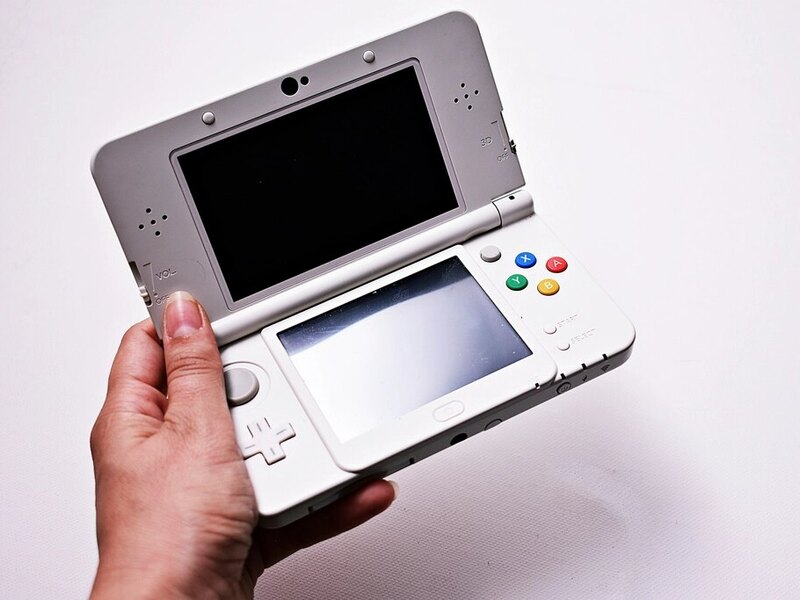
Think about where you play
Playing on a sofa, on public transport and at a desk creates different needs. In a bright environment, screen glare can matter more than graphical detail. In a shared space, audio settings and subtitles may matter more than loud speakers. Think through a normal session before changing the device or accessories.
Check text and interface size
A game that looks clear on a television may be harder to read on a small screen. Look for interface scaling, larger subtitles and high-contrast options. Test inventory screens and menus as well as gameplay. If important text remains too small, a larger display may be more suitable for that particular game.
Choose useful stopping points
For short sessions, clear save points and predictable pauses are helpful. Check how the game saves before relying on sleep or suspend functions, particularly during an online session. A turn-based game may be easier to interrupt than a live multiplayer match, but individual game behaviour still matters.
Balance convenience and battery use
Screen brightness and performance options can affect battery life. Use a comfortable brightness for the environment and try built-in power settings if the device offers them. Keep ventilation clear and follow the manufacturer’s charging instructions. Avoid making battery-life assumptions based on a different game or a different device.
Pack only what earns its place
A protective case and a suitable charger may be more useful than a bag full of accessories. Download what you need before leaving if your trip has unreliable connectivity. When carrying physical games, keep them protected and account for them before moving on. A portable setup works best when it stays simple.
Find more guides and ideas in the Daba Gaming journal. For feedback, see Contact & corrections.